Buy a Relocatable Home
Can You Relocate a Brick House?
Here's Our Honest Answer
It's one of the questions we get asked most, and it deserves a straight answer rather than a sales pitch: sometimes, yes - it depends on how the house was built, not just what it's clad in. Brick and other heavy materials change the equation, but they don't automatically rule a house out. We assess every property individually before we commit to a job, and that assessment is what actually decides it, not a blanket policy either way.
Why brick makes a move harder than weatherboard
A timber-framed house flexes a little as it's lifted and travels - that's part of what makes it moveable. Solid brick or heavy masonry doesn't flex the same way, and mortar joints can crack under the stress of lifting, cribbing and road travel if the structure isn't properly supported through every stage. Brick veneer over a timber frame is a different story again - the timber frame does the structural work, so a veneer house often behaves much more like a standard weatherboard move than a full brick or block structure would.

How we actually decide if your house can move
This isn't guesswork from a photo. We come out, look at the construction - full brick, veneer, block, or something mixed - and check how the structure is tied together, what condition the mortar and foundations are in, and how the weight is distributed. That's the same question that sits behind "can any house be relocated, or are there restrictions": the honest answer is that many houses can be moved, but structural integrity and local zoning rules can both impose real limits. We'd rather tell you no upfront than take your money and find out on move night.
The gear behind bigger, heavier moves
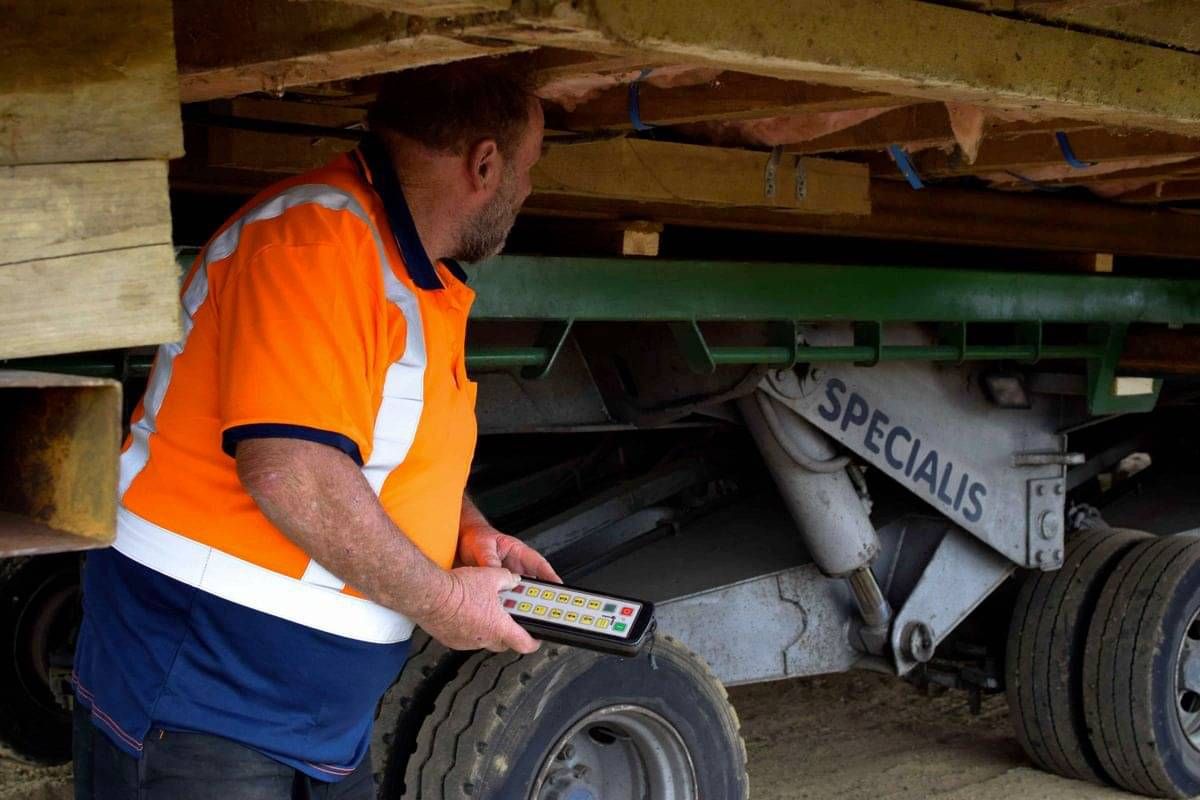
Weight and size are two different problems, and we're set up for both. Our crew and equipment handle engineered structures over 5 metres wide and up to 20 metres long, using specialised trailers and hydraulic systems built for exactly this kind of load - which is what makes moving most houses possible, brick or otherwise. A heavier brick or block structure needs more careful cribbing and support underneath during the lift and the journey, but the same core capability applies.
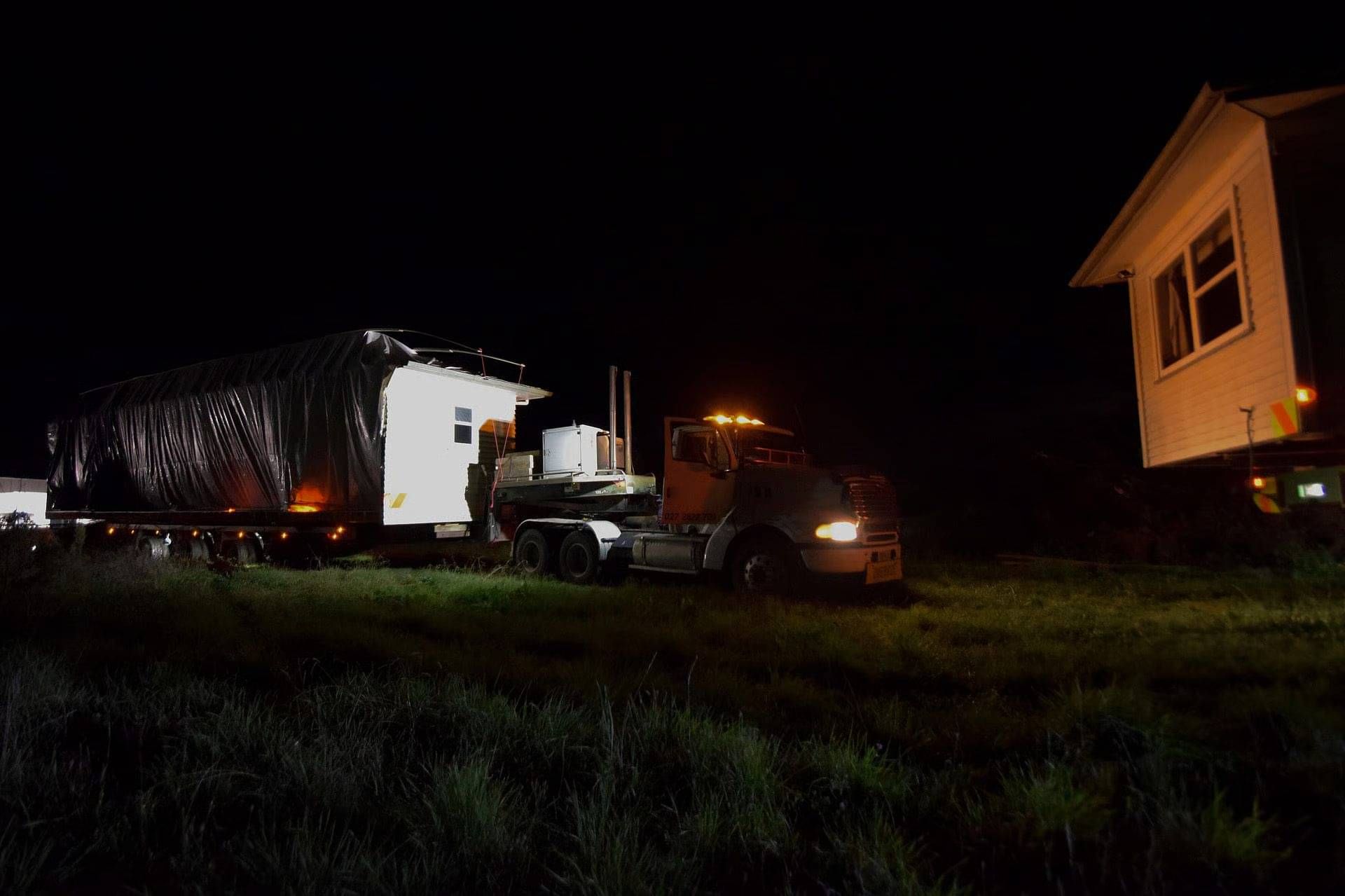
What if it can't move as one piece?
Some structures that can't travel whole can still be relocated in sections, or with the roof lowered to clear power lines and bridges along the route. For a brick house specifically, the more common outcome is that certain sections - a solid brick chimney, for instance, or a full masonry wing - may need to come off before the move and be reinstated or rebuilt at the new site, rather than the whole house being ruled out.
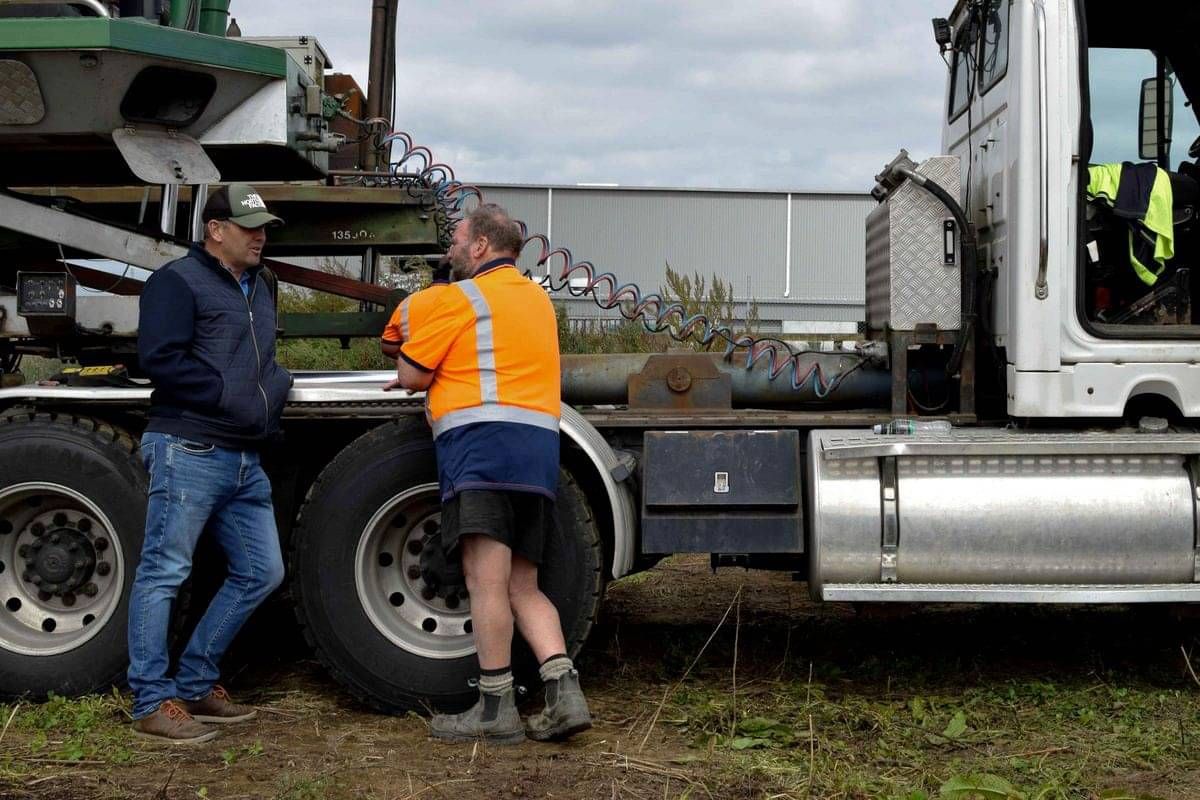
What to check before you book a brick house relocation
Get a site assessment before you commit to buying or moving the house - don't rely on listing photos alone
Ask specifically whether it's full brick, brick veneer, or block, and be honest about any visible cracking
Check the condition of mortar joints and foundations, not just the walls
Confirm whether your destination site and route can handle the width and length once support and cribbing are added
Ask what happens to chimneys or masonry features that can't travel - removal, rebuild, or a workaround
Call 0508 BEST MOVE (0508 237 866)
Or email info@waikatobr.co.nz and we'll tell you honestly whether it's a mover.
If you've got a brick house on the table - buying, selling, or already sitting on land that needs clearing - talk to us before you assume it's a lost cause.
Frequently Asked Questions
Got questions? We've got answers! Here are some of the common queries we get:
Is brick veneer easier to move than full brick?
Generally, yes. Brick veneer sits over a timber frame, and it's the timber frame doing the structural work - so a veneer house often moves much more like a standard weatherboard home than a full brick or block structure would. That said, veneer condition still matters; cracked or poorly attached brick can shed during transport if it isn't properly secured first. We check the veneer's condition and fixing method as part of any assessment, rather than assuming "veneer" automatically means "easy."
Can any house be relocated, or are there real restrictions?
Many houses can be moved, but it's not unconditional. Structural integrity is the first filter - if a house is too compromised to survive being lifted and travelled, no amount of careful handling changes that. Local zoning and council requirements at the destination site are the second - a house that's physically moveable can still be blocked by rules about what's allowed on the new section. We assess both before quoting, so you're not left assuming a move is possible when it isn't.
What happens to a brick chimney during a house relocation?
In most cases a solid brick chimney needs to come off before the move, then either be reinstated or rebuilt once the house is on its new foundations. Chimneys are rigid, heavy, and poorly suited to the flex and vibration of road travel, so removing them beforehand protects both the chimney and the rest of the structure. We factor this into the quote and the plan from the start, so it's not a surprise cost or delay on move day.
Will a heavier brick house cost more to relocate?
Often, yes, because a heavier structure needs more support - additional cribbing, a stronger trailer setup, and more careful handling through the lift and the journey. Cost still comes down to the specifics: the size of the house, the distance it's travelling, site access at both ends, and whether extra work like chimney removal or repiling is involved. We give a personalised quote after assessing the actual property rather than a flat rate based on wall material alone.