
Buy a Relocatable Home
House Repiling Cost: What Changes the Price
Here's Our Honest Answer
There is no honest flat figure for house repiling cost, because the price depends on the size of the home, the piles under it, the ground and how easy it is to get underneath. What we can do is explain what moves the price, then quote your house properly once we have seen it. Waikato Building Relocators repiles homes from our base in Morrinsville in the Waikato, and Luke Burnside's review of Tom's repiling work on his house puts it simply: "He went above and beyond."
How much does it cost to repile a house?
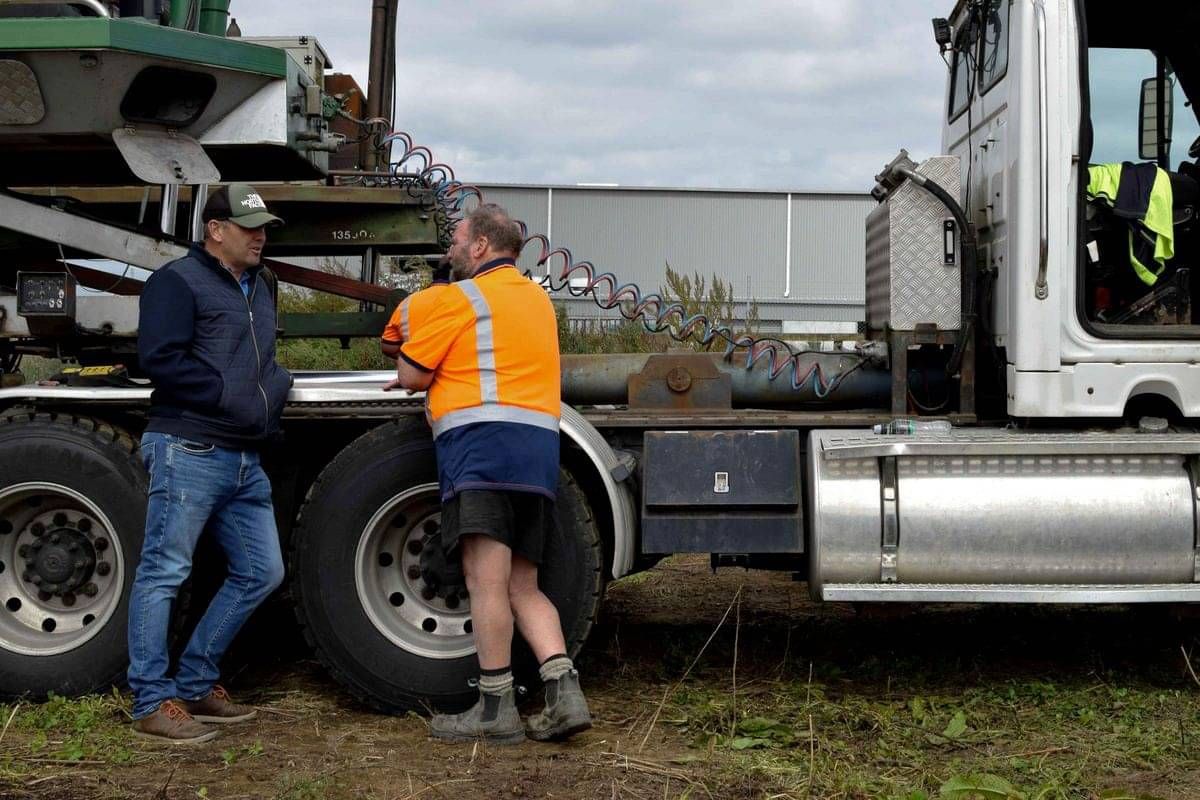
It depends on the house, the ground and the access, so we give you a personalised quote after seeing the job rather than a guess. We decided not to publish a house repiling cost table because two houses the same size can need very different amounts of work, and it is never a flat per-bedroom figure. A 1950s weatherboard bungalow on firm, flat ground with plenty of room underneath is a different job from a villa that has dropped at one corner on soft ground, with its floor barely clear of the dirt. One printed figure would be wrong for most of the people reading it, so we look at the house first and quote it properly.
What changes the price of a repile?
Five things drive the cost: the size of the house, how many piles need replacing, the ground, the access underneath and the relevelling needed. A bigger footprint means more piles and more time under the floor. Soft, wet or sloping ground can call for deeper piles or an engineer's design, and a house that has shifted through ground subsidence has to be lifted further before it can be landed level again. Access matters too, because a low crawl space, a deck built hard up against the house or a tight section with no room for gear all slow the job down. Then there is the subfloor itself: tired piles often come with tired bearers and joists, and any repairs there are part of what we assess before we quote.
What does a proper repile include?
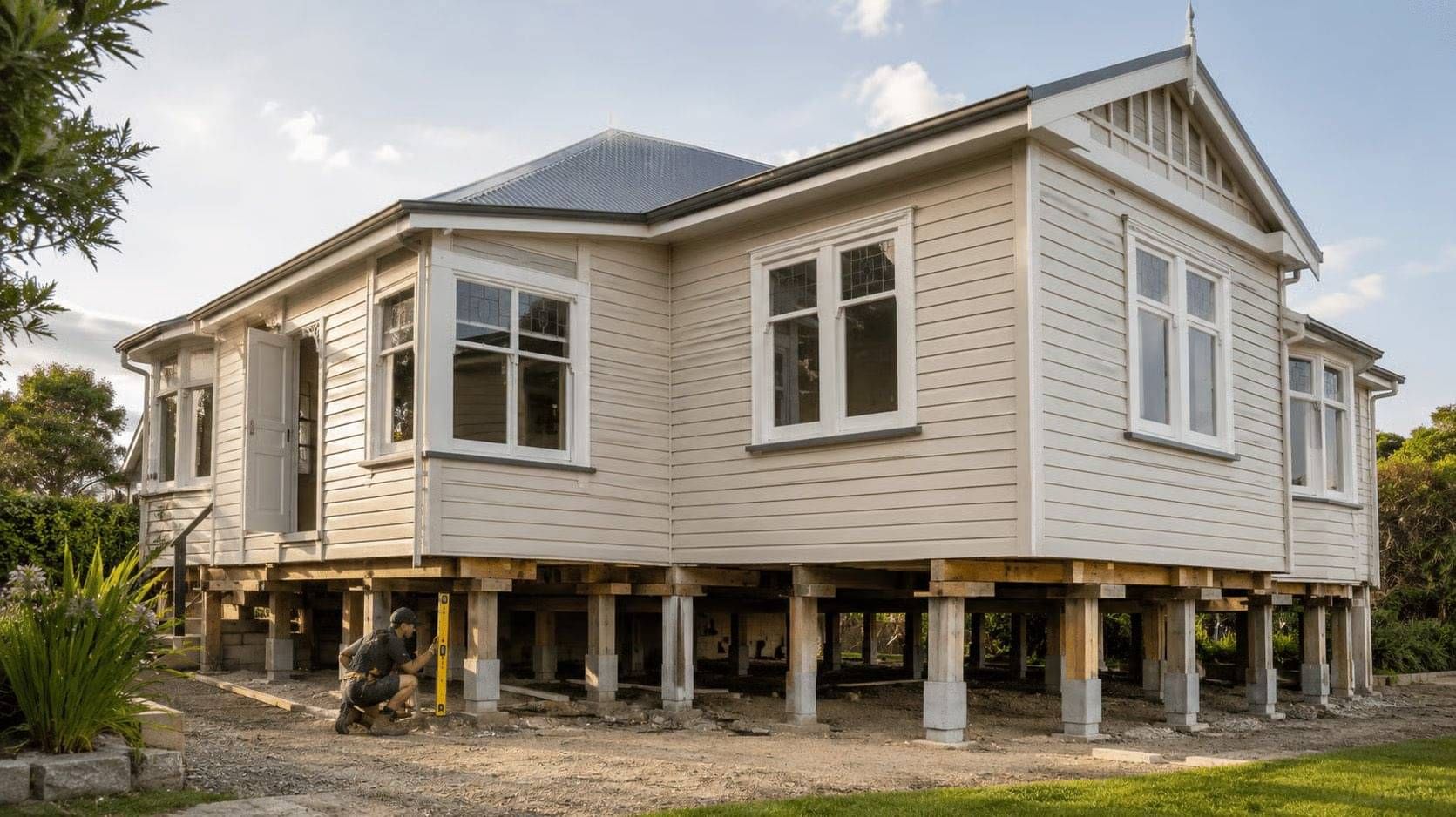
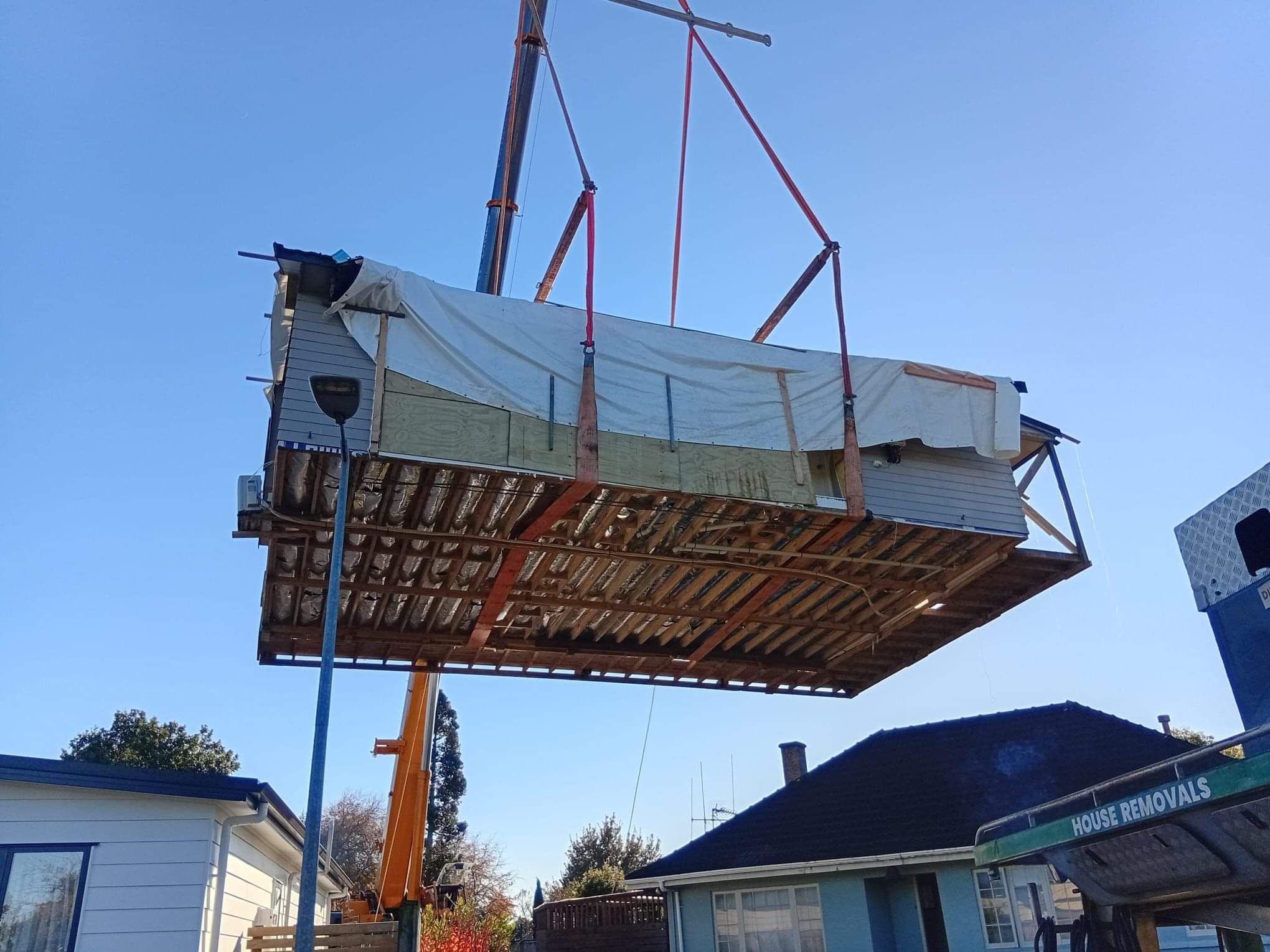
We lift the house, replace every old pile with new and land it level, safe and secure, with the building consent handled alongside. We replace the lot rather than patching the worst few, so the whole floor ends up sitting on new foundations. Getting it level is the part you notice afterwards. When Fire2020 Ltd had a house relocated and piled by us, they called our piling work absolute perfection: "Everything lined up beautifully and the house was perfectly level inside, so all doors could open nicely." The council inspector was very impressed too.

Do I need a building consent to repile my house?
Yes, a building consent is needed before we repile, and we help you through the application. Allow around three months for council on top of our work queue, so getting in touch three to four months before you want the work done gives the smoothest result. If only a pile or two needs replacing like for like, ask your council whether the job counts as exempt building work. Hamilton City Council's building consents overview explains what exempt, low-risk work is and who takes responsibility for it.
Can you lift the house higher while it is up?
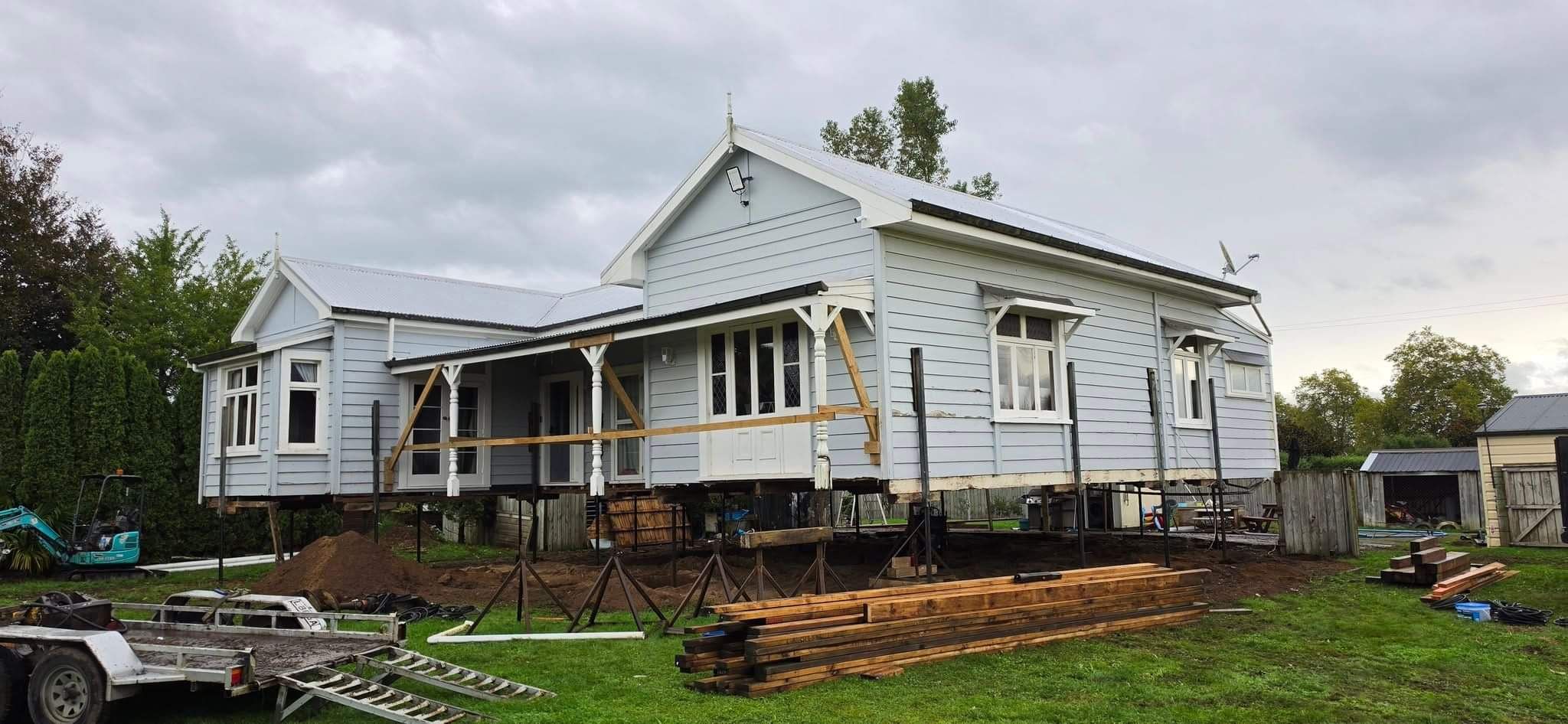
Yes, while the house is lifted we can take it higher to add garaging, storage, living space or a view underneath. Doing both at once means the house only has to be lifted once. It adds to the house repiling cost and changes the plans, so mention it when you first get in touch and we can quote both options side by side.
What should I check before booking a repile?
Check what caused the problem, what the quote includes and who is handling the consent, before anyone lifts the house. If the piles failed because water is pooling under the house or the ground is still moving, new piles alone may not last, so get the cause looked at first. Ask whether the quote covers replacing every pile, any subfloor repairs, the relevelling and the consent, so there are no surprises once the work starts. And ask who will actually be on site: on our jobs, Tom Jackson looks after sales and works hands-on with the crew, and our crew manager, Tony "Hitch" Hitches, has 40 years in house moving.
Call 0508 BEST MOVE (0508 237 866)
Or send us a message
Tell us about the house: where it is, roughly how big it is, and what you are noticing, whether that is sloping floors, sticking doors or cracks in the linings. We will come and take a look and put a personalised quote together.
FAQs
How do I know if my house needs repiling?
The signs usually show up inside first: floors that slope or feel bouncy, doors and windows that stick or will not latch, and cracks opening up in the wall linings or around door frames. Outside, look for a gap opening between the house and the deck, or piles that are leaning, cracked or soft when you push a screwdriver into them. One of those on its own is worth a closer look, and several together usually mean the piles or the ground beneath them have moved. A house needs repiling when its piles and subfloor framing have deteriorated or when ground subsidence has shifted it, and we check which it is before we quote, so you get a straight answer about what the house actually needs.
Can you fix a house that has sunk at one end?
Yes. Ground subsidence is one of the two main reasons a house needs repiling, alongside piles and subfloor framing that have simply worn out. We lift the house, replace all the old piles with new ones and land it level, safe and secure. If the ground has moved, part of the job is working out why, because ground that is still settling, or water that keeps running under the house, needs sorting as well as the piles. Where the ground is soft, the new piles may need to go deeper or follow an engineer's design, and that goes into the consent and the quote. Getting the floor level again is what lets the doors and windows close properly.
Do you repile houses you relocate?
Yes. When we relocate a house, we complete the piling at the new site and set the home level on its new foundations as part of the job, and we help with the building consent that work needs. That is the same skill as repiling a house where it stands, which is why the two services sit side by side in our business. If you are weighing up moving a house rather than repiling it where it is, our relocation cost guide explains what changes the price of a relocation, and the piling at the new site is part of that job.
Who will be working on my house?
Our own crew does the work. Tom and Becks Jackson run the business, and they have farmed sheep and beef in the Waikato for more than twenty years, while our sales manager, Glenn Cossey, brings 20 years in real estate and house renovation. With a six-strong crew and heavy machinery, we stick to full-size houses, repiling and onsite shifts, and refer tiny houses, cabins and container homes on to others. That means the people under your house are repiling specialists who also move whole houses for a living, and we handle every home as if it were our own.
Is repiling an old house worth it?
If the house itself is sound, usually yes. Repiling keeps a good older home in use on the section you already own, and we are firm believers in giving sound houses a second chance rather than sending them to the tip. If you have been in the house ten years and need to sort it out, repiling (and lifting, if you want more room underneath) can give you the home you want without the cost and hassle of selling up and buying again. If the house cannot stay where it is, or you want the section for something else, talk to us before you demolish anything: we don't just move them, we buy them too.