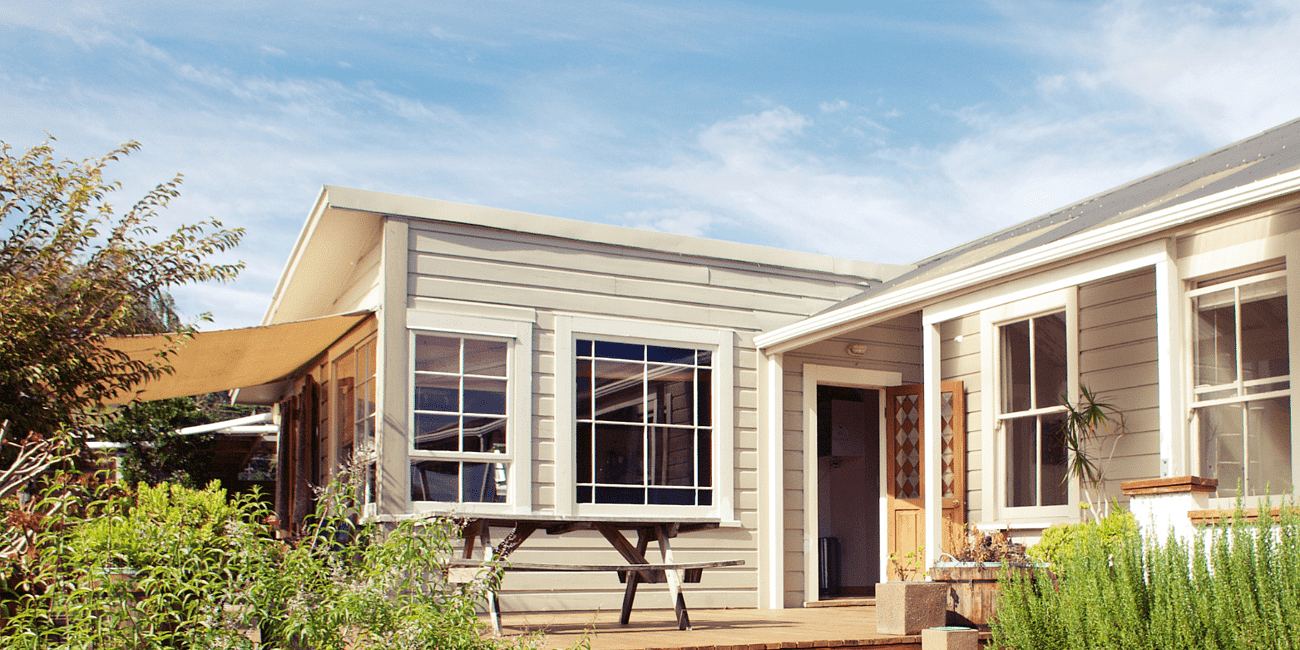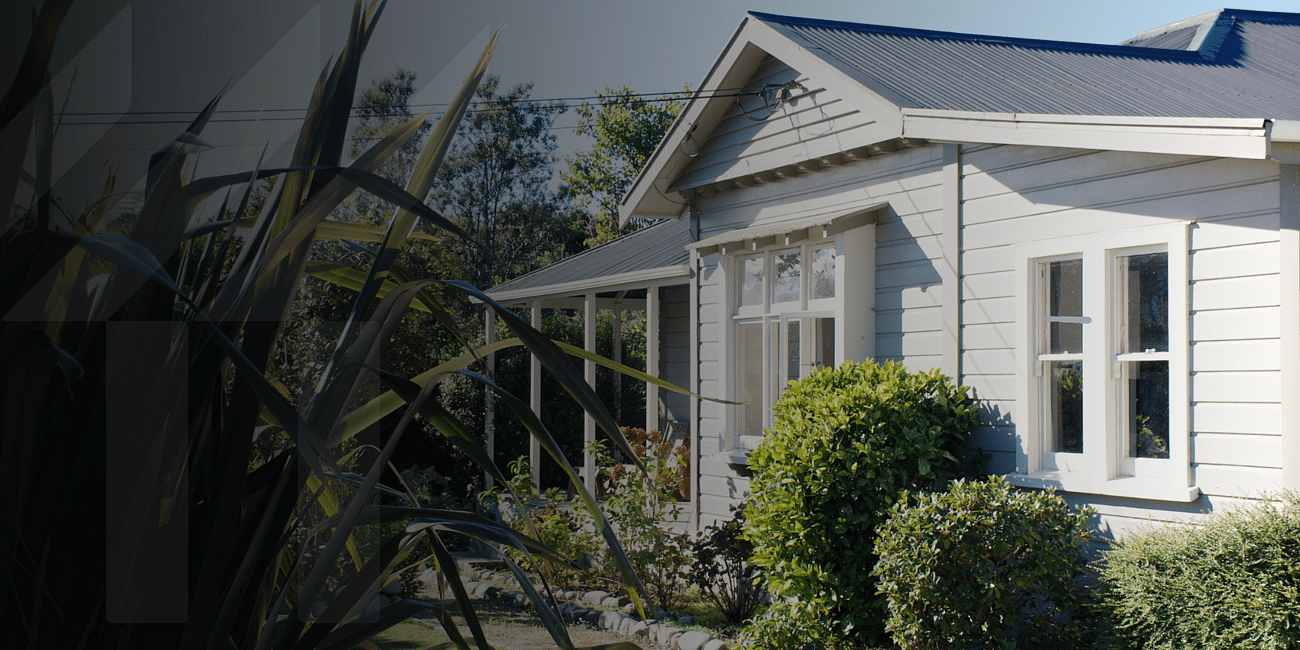
Buy a Relocatable Home
Relocatable Homes NZ: What to Know Before You Buy
The Short Answer
A relocatable home is a sound, existing house that is lifted off its old site, trucked to yours and landed level on new piles, and for plenty of New Zealanders it's a quicker way into a home than building new. We buy and sell relocatable homes from our Morrinsville yard and do the relocation ourselves, so we see every part of the process. The asking price is only one piece of the total: the section, the consent and the move matter just as much as the house.
What does the price of a relocatable home include?
Usually the house itself, assessed for relocation, and not the move. On our listings the asking price covers the home as listed, while transport, piles, consent help and any finishing work are quoted separately for your section, so you can see exactly what makes up the total. That's worth knowing when you compare relocatable homes in NZ, because two homes with similar asking prices can land on your section at quite different totals once distance, access and piling are added. Our house relocation cost guide explains the four things that change the price.

Do you need a building consent, and how long does it take?
Yes, you need a building consent before a relocated house is placed on a new site, and we help you through the process. Council is the part of the timeline you can't rush, so allow around three months for consent, and plan for three to four months in all from the day you choose the home. We're usually booked months in advance, so tell us early, especially if you're working to a settlement or development deadline. When a developer needed a house sold within a week and moved within four, we sold it in three days and had it relocated within three weeks.
What does your section need before the house arrives?
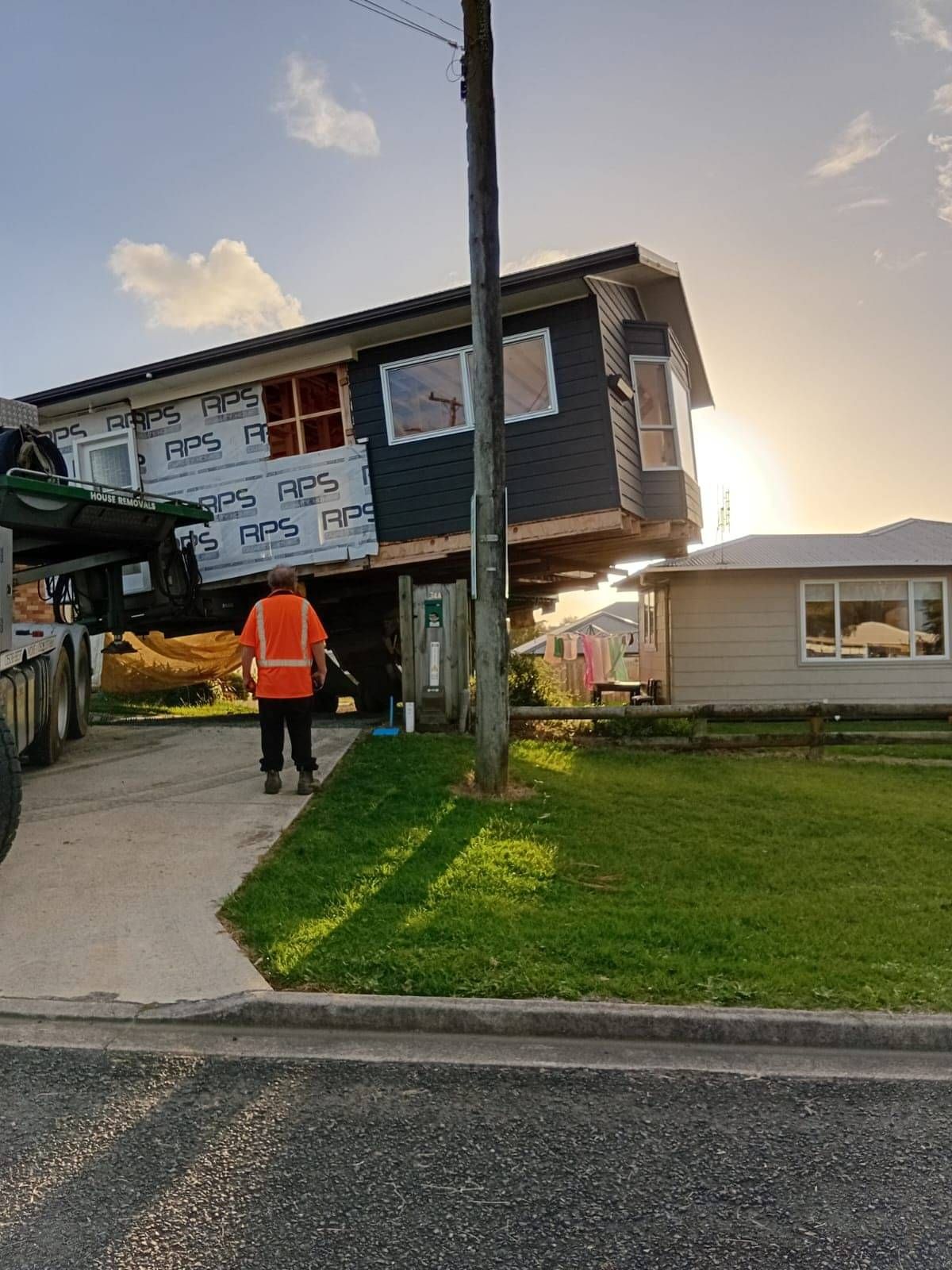
A site the truck can reach, ground ready for piles and a plan for connecting services. A large share of our work lands on lifestyle blocks and farms down long gravel driveways and narrow country roads, and we match the truck and trailer to your gate, corners and driveway before move day. We complete the piling at the new site and set the home level on its new foundations as part of the job. During planning we walk you through a clear checklist and agree who does what, so nothing is missed on the day.
How does a relocatable home get to your section?
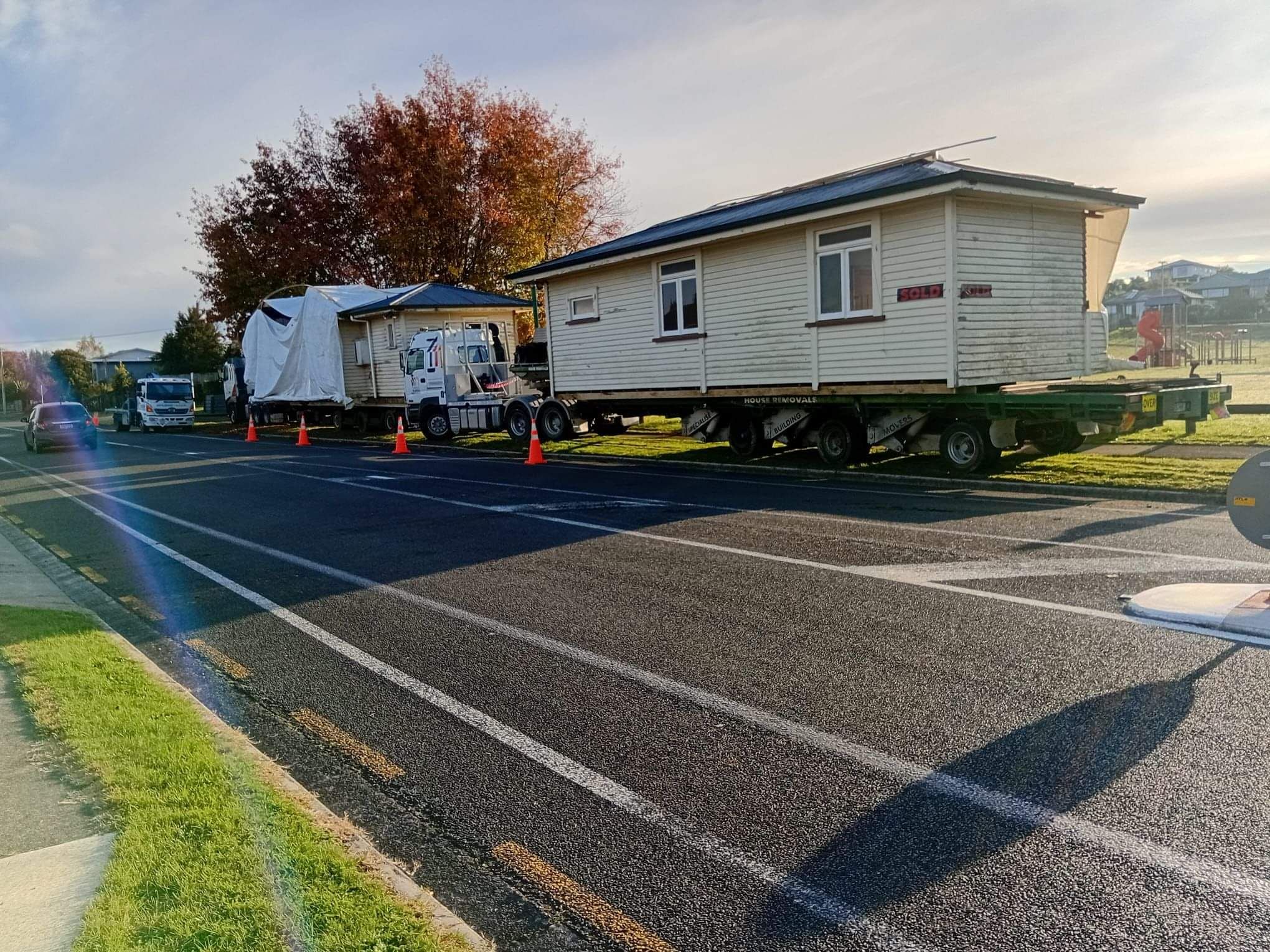
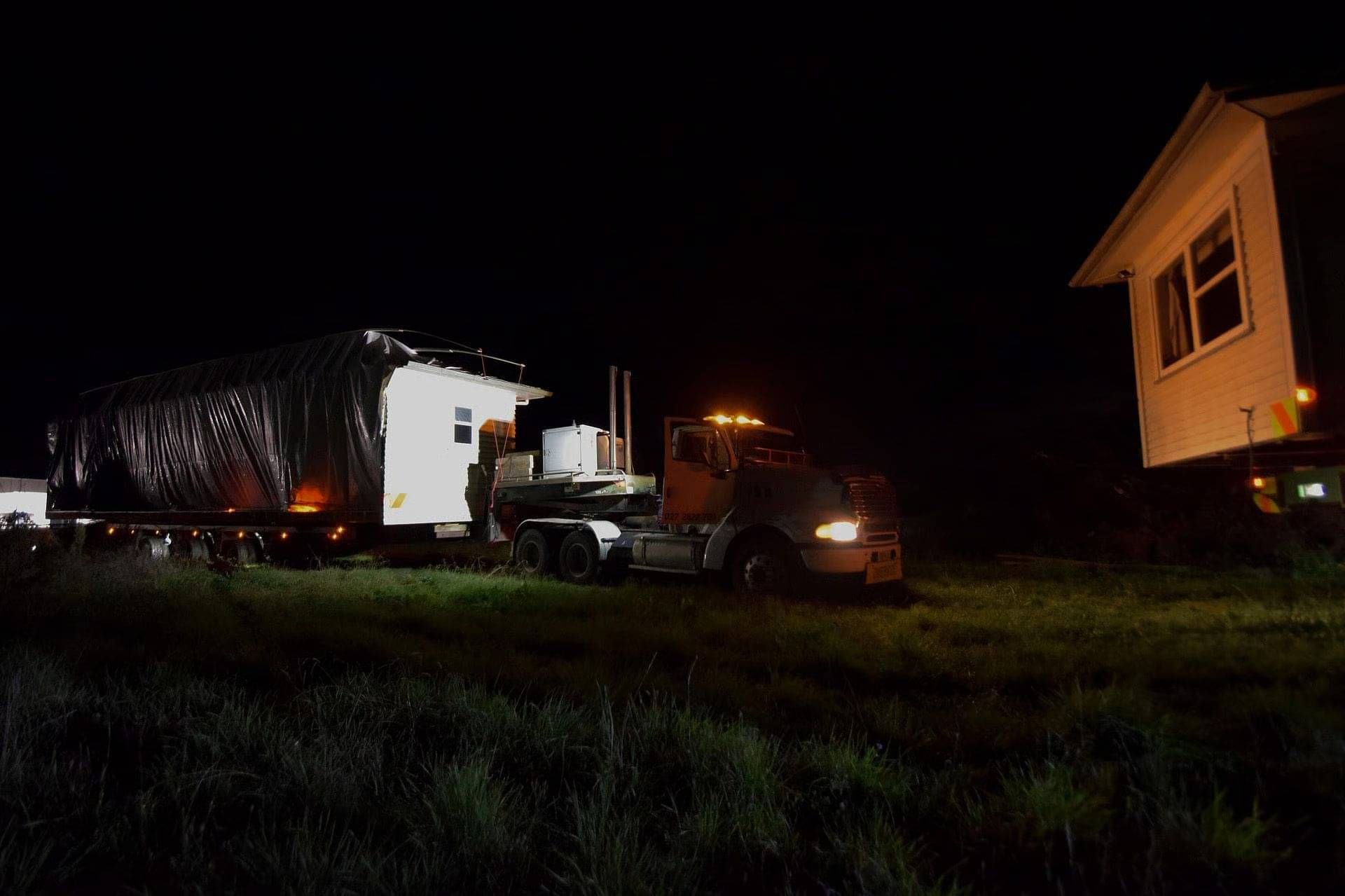
By road, usually at night, as an over-dimensional load. A relocated house needs NZTA permits and detailed route planning: which bridges to cross, where power lines and overhead train lines must be isolated, and where traffic signals are lowered. Taller homes can have the crown of the roof lowered to travel under height restrictions and reinstated at the new site, and larger homes can move in more than one piece. Our crew moves structures over 5 metres wide and up to 20 metres long, which covers most houses, and we've taken homes from Hamilton to Carterton and from Drury to Hastings, so a home from our yard isn't limited to a Waikato section.
What to check before you buy a relocatable home
Check that your council will consent the home on your section, and start that conversation early
Ask what the asking price covers, and get the relocation, piling and consent help quoted for your section
Walk your access with us: gateways, corners, driveway length and overhead lines
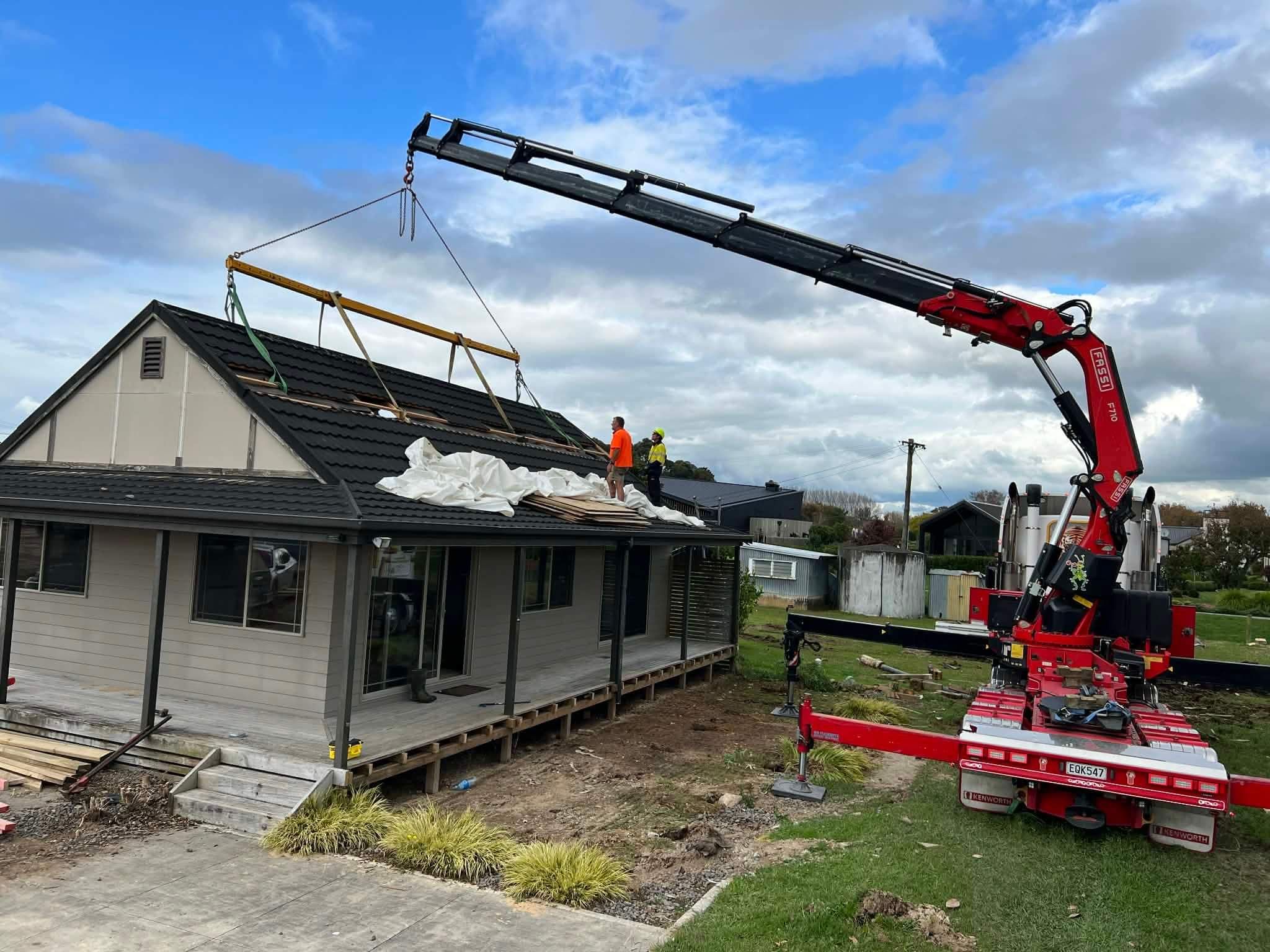
Ask how the home will travel, in one piece or more, and whether the roof needs lowering
See the home in person before you commit; our homes are viewed by appointment
Be clear on how you'll use it: a family home, a rental, a minor dwelling or farm staff accommodation
Ready to find the right home?
Browse our relocatable homes for sale, or call 0508 BEST MOVE (0508 237 866) and tell us the size and number of bedrooms you need. Glenn at WBR can talk you through the homes we have and what the move to your section involves, or email info@waikatobr.co.nz.
Frequently Asked Questions
Got questions? We've got answers! Here are some of the common queries we get:
Are relocatable homes in NZ cheaper than building new?
Often, yes, and they're usually quicker to get liveable too. A sound second-hand home avoids most of the cost and time of a new build, and relocating it is kinder to the environment than demolition, because a good house gets a second life instead of going to landfill. We don't publish a single figure, because every home, route and section is different. Your total is the home's asking price plus the relocation, piling and consent work for your site, and we quote each part so you can see what makes up the number. Farmers in particular use relocated homes as staff or family accommodation, an option Country-Wide featured as "Pre-loved as Farm Accommodation". Our house relocation cost guide sets out what changes the price.
Can a relocatable home be used as a minor dwelling or granny flat?
Yes, and it's one of the most common reasons people buy one. Plenty of owners want a compact second home on an existing section, for family, as a rental or for staff accommodation. We can supply and place a tidy minor dwelling, for example a double-glazed, heat-pumped home of around 43 square metres, then pile it level and ready to go. A minor dwelling still needs a building consent before it's placed, and we'll talk you through what your council needs. It's a practical way to add living space without subdividing or starting a full build, and because the home already exists, you can see exactly what you're getting before it moves.
Do you sell relocatable homes outside the Waikato?
We sell from our Morrinsville yard and relocate across the whole North Island. Some of our best homes come from Auckland, including character homes from Forrest Hill, Mount Roskill, Mount Eden and Epsom, several of them renovated and ready for a new postcode. Distance is part of the relocation quote, and our crew has moved homes as far as Carterton in the Wairarapa and Hastings in Hawke's Bay, so a long trip is a planning question rather than a deal-breaker. If your section is in the Bay of Plenty, our Tauranga page covers what a move into the Bay involves, from the route over the Kaimais to the piling at the other end.
Who does the piles and foundations at my site?
We do. As part of the job we complete the piling at the new site and set the home level on its new foundations, and we help with the building consent that work needs. Getting the landing right is what makes a relocated home feel like it was always there: doors that close properly, floors that are level and a home that sits securely on your section. One client, relocating their fifth house, said our piling work was "absolute perfection", with the house perfectly level inside so all the doors opened nicely. If you're buying from us, the piling is quoted with the relocation, so there's one crew and one plan from our yard to your section.
Can I sell my house to you to be relocated?
Yes. We buy sound houses as well as selling them, and we'd much rather a good home was relocated than demolished. If you're a developer with a deadline or an owner clearing a section, call us before you book a demolition, because we can often act quickly. As Curtis McCorquindale of Queenwood Property put it, "they did as they said, took their profession seriously, and met tight deadlines to ensure our development wasn't held up." We'll look at the house, talk about timing and tell you honestly whether it's a good candidate for relocation. Our sell a home page explains how it works, or call 0508 BEST MOVE (0508 237 866) for a chat.