Buy a Relocatable Home
What Is an Onsite Shift? Moving Your House Within Its Own Section
Onsite House Relocation, Explained Simply
Maybe you're planning a subdivision, want to free up land for a new build, or simply think your existing home would sit better somewhere else on the block. So what is an onsite shift? It's moving your existing house within the boundaries of its current section, rather than trucking it off to a different address entirely. It's one of the more misunderstood services we offer, so here's the honest, straightforward answer.

So What Exactly Is an Onsite Shift?
An onsite shift is exactly what it sounds like - your house stays on the same property, but moves to a different position within it. That might mean repositioning the home to make better use of a view, shifting it to enable a subdivision, or simply clearing the original footprint so a new build can go up alongside it. It's a smaller-scale version of the same lifting, levelling and piling work involved in a full relocation, just without the road trip. Because the house isn't travelling any distance, there's no NZTA permit or route planning to manage - but the piling, the building consent and the levelling at the new spot are handled with exactly the same care as a full move.
Why Owners Choose an Onsite Shift for Subdivision
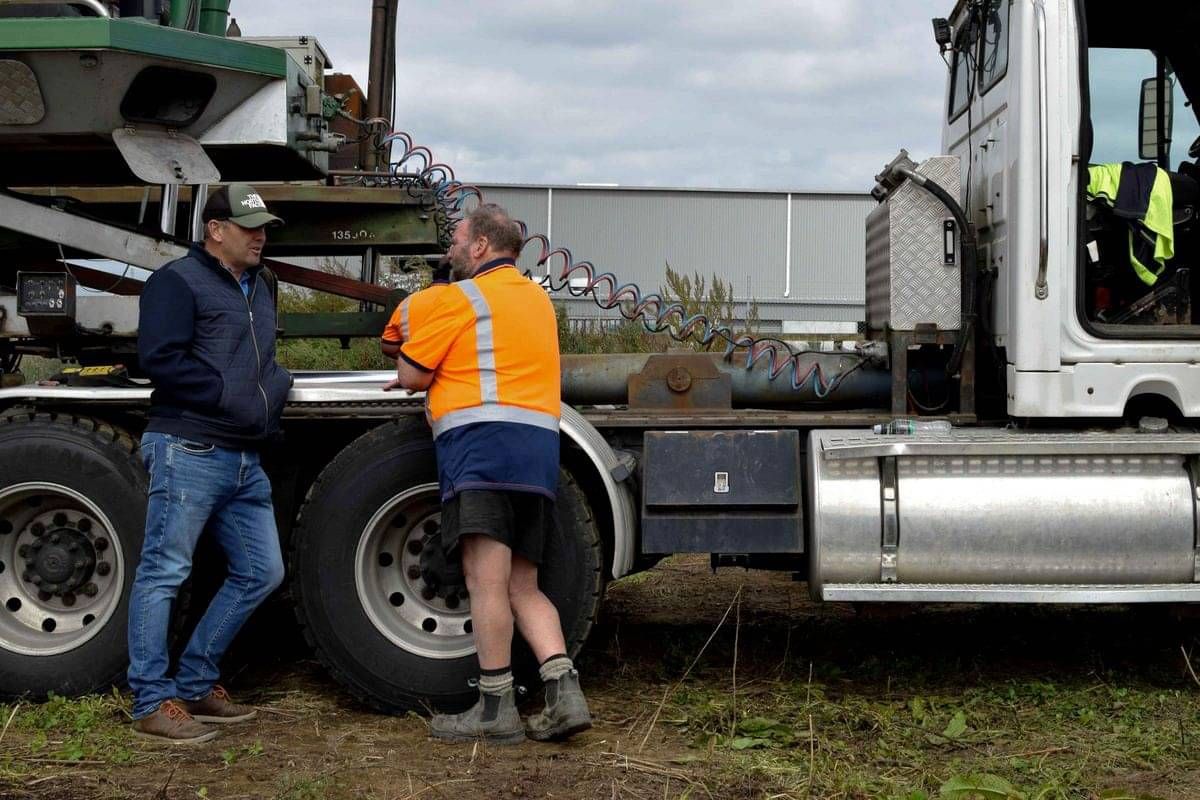
Owners looking to develop or subdivide often need the existing house shifted within the boundaries of the section to free up land for a new build or a saleable lot. Rather than demolishing a perfectly sound home to make way for the next stage, an onsite shift unlocks the site without losing the existing house. That's a genuinely common conversation for us - someone has an older home sitting square in the middle of a block they want to subdivide, and moving that home twenty or thirty metres to one side can be the difference between one title and two.
What a Developer Client Told Us About Working With Our Team
Curtis McCorquindale of Queenwood Property put it plainly in a review after working with Tom and Glenn: "Tom and Glenn were great to deal with! After having bad experiences with other relocators in the past, I was hesitant to engage another. But they did as they said, took their profession seriously, and met tight deadlines to ensure our development wasn't held up. A+." That's the kind of feedback we hear most from developer clients specifically, because a subdivision or onsite shift almost always has a deadline attached to it - consent timeframes, sale agreements, or a build programme that can't afford to slip. Meeting the date matters as much as the quality of the work.
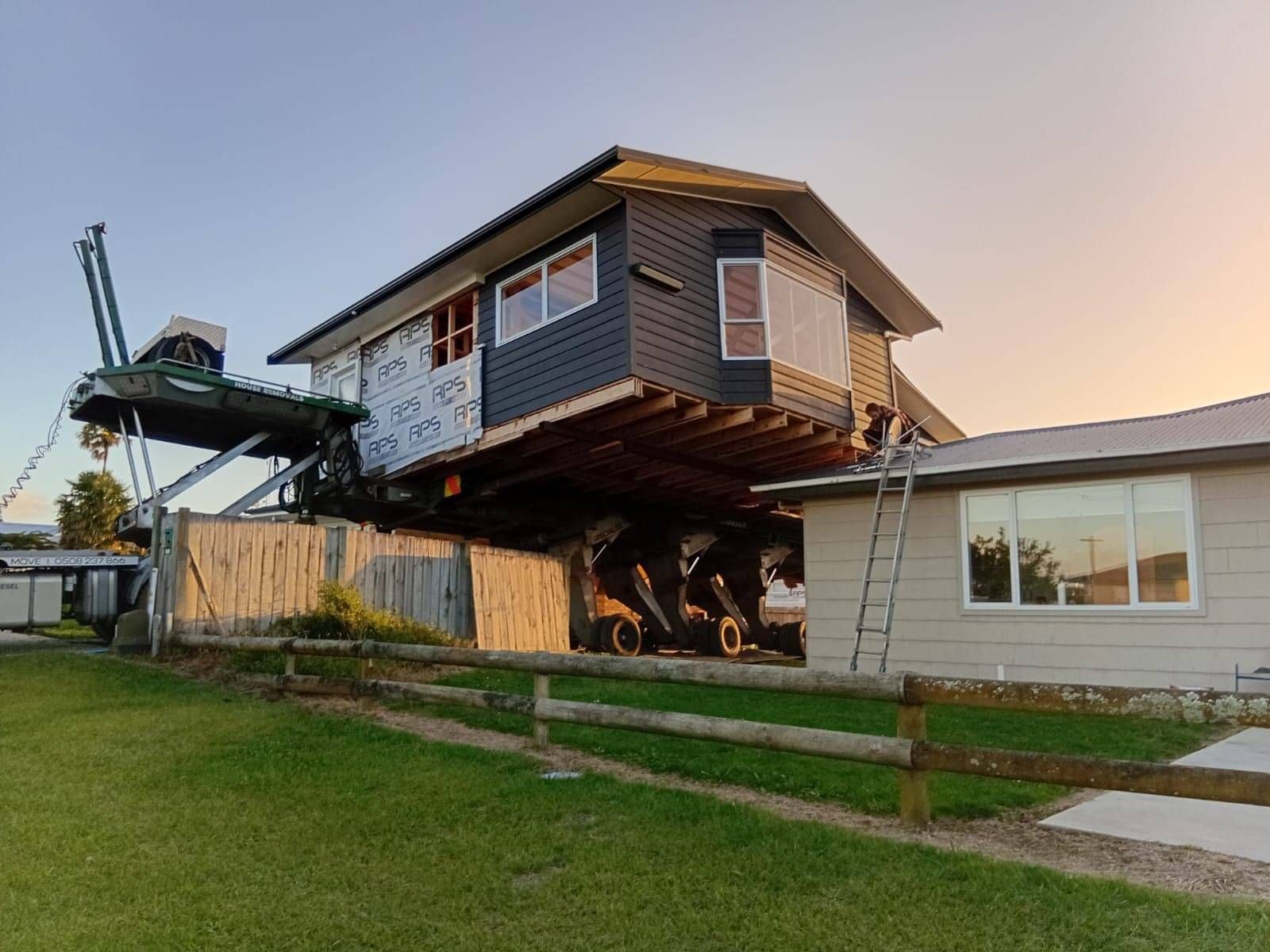
Landing a house on a tight suburban section, centimetres from the neighbour's roof.
How the Process Works On Your Section
A building consent is required before we can place a shifted house on its new position, and we assist clients through that process rather than leaving them to figure it out alone. Once consent is sorted, the house is lifted, moved across the section, and landed on new piles exactly where you need it - level, safe and secure. Because the distance is short, an onsite shift can sometimes be completed in daylight rather than the usual night move, depending on how close the new position is and what's in the way. Either way, the outcome is the same as a full relocation: a home properly repositioned and correctly founded on its new spot.

What to Check Before Booking an Onsite Shift
Confirm your subdivision or resource consent situation before committing to a moving date, since it affects timing
Get a building consent conversation started early - allow roughly three months on top of the relocation work itself
Walk the section with the moving company to check clearances, fences, trees and any structures between the old and new position
Ask whether your job could realistically run in daylight or whether it needs a night move
Confirm who is handling piling and levelling at the new position, and get that included in your quote
Ready to Talk Through Your Onsite Shift?
Call 0508 BEST MOVE (0508 237 866) or email info@waikatobr.co.nz
If you're weighing up a subdivision, a second dwelling, or simply want your existing home in a better spot on the section, we'll walk the site, talk through consent, and give you a personalised quote for what an onsite shift on your property would actually involve.
Frequently Asked Questions
Got questions? We've got answers! Here are some of the common queries we get:
Is an onsite shift cheaper than a full house relocation?
Generally, yes, because there's no road transport, no NZTA permit process and no route planning across town or further afield. The cost still depends on the size of the house, how far it's moving within the section, ground conditions, and the piling and consent work required at the new position. A short daylight shift across a flat section will usually cost less than a longer, more complex repositioning involving trees, fences or sloped ground. As with any job, we walk the site first and provide a personalised quote rather than a flat figure, because every section is different.
Do I need council consent for an onsite shift?
Yes. A building consent is required before placing a relocated or repositioned house on a new site, even when that site is within the same property boundary. We assist clients through that consent process as part of the job, rather than leaving you to manage it separately. It's worth starting that conversation early - realistically, allow around three months for council on top of the shift itself, so the whole project isn't held up waiting on paperwork once the physical move is ready to go.
Can an onsite shift help me subdivide my property?
Yes - this is one of the most common reasons owners come to us for an onsite shift. If your existing house sits in the middle of a block you want to subdivide, shifting it to one side can free up the land needed for a new build or a separate saleable title, without losing the home you already have. Queenwood Property worked with our team on exactly this kind of tight-deadline development situation, and it's a scenario we see regularly from developers and landowners working through a subdivision.
How long does an onsite shift take compared to a full relocation?
An onsite shift is typically quicker than a full relocation, since there's no travel distance, no route planning and often no need for a night move. The house still needs to be lifted, moved across the section and landed correctly on new piles, so the physical shift itself can take anywhere from a day to a few days depending on distance and ground conditions. The building consent process usually adds more time to the overall project than the physical move does, which is why starting that conversation early matters.